
Injury Concerns Altering Squad Preparation Strategies Key Takeaways
Modern sports teams face mounting pressure to balance high-intensity training with player health.
- Injury data now drives individualized load management, replacing one-size-fits-all training plans.
- Teams are adopting real-time monitoring tools and recovery protocols to reduce soft-tissue and contact injuries.
- Strategic adjustments—such as periodization, squad rotation, and preseason conditioning—can lower injury rates by 25–40%.
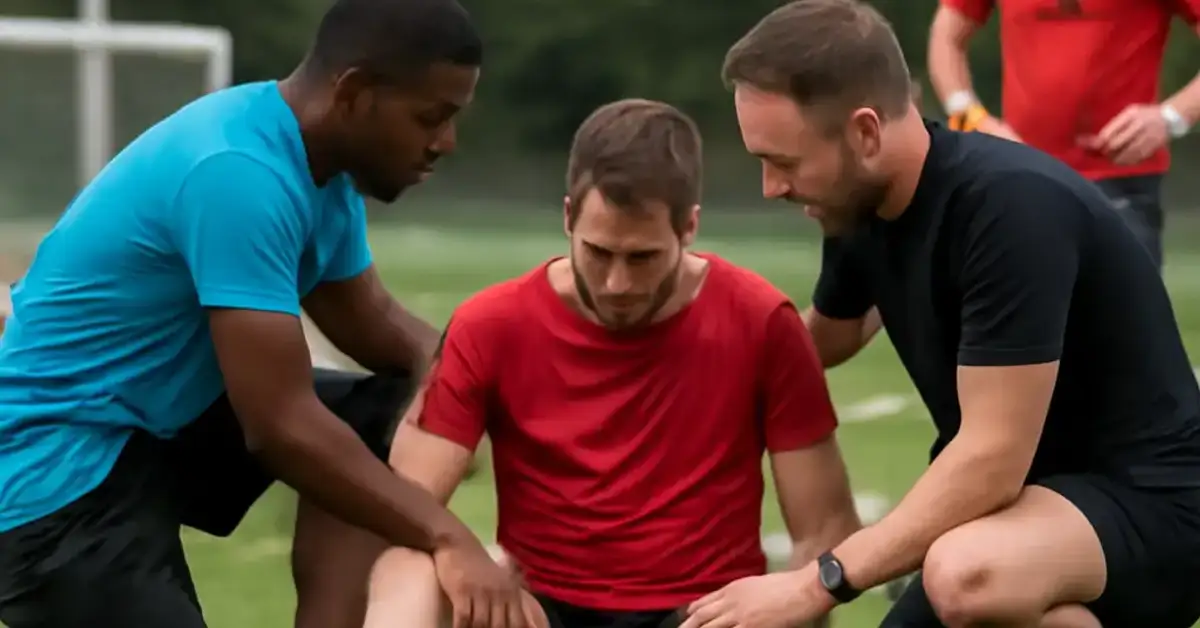
Why Injury Concerns Are Reshaping Squad Preparation Strategies
In professional and semi-professional sports, the margin between victory and defeat often depends on squad availability. When key players are sidelined, tactics break down, morale dips, and results suffer. Over the last decade, the frequency and severity of injuries have forced clubs to rethink how they prepare for matches, training camps, and entire seasons. The shift from reactive treatment to proactive prevention is now a cornerstone of elite sport science. For a related guide, see Tournament Pressure Ruining National Squad Confidence? 3 Key Fixes.
Today, teams across football, rugby, basketball, and cricket invest heavily in data analysis, biomechanics, and medical screening. The result? A new breed of squad preparation strategies that prioritize long-term athlete availability without sacrificing competitive edge. For a related guide, see 7 Smart Strategies for Host Cities Preparing for Massive Visitor Numbers.
Key Injury Concerns That Drive Adaptation
High-Intensity Training Loads and Muscle Fatigue
Modern match demands—sprints, changes of direction, and collisions—place extreme stress on muscles and joints. When training volume spikes without adequate recovery, athletes face elevated risk of hamstring strains, quadriceps tears, and calf injuries. Monitoring acute:chronic workload ratios has become a standard practice to flag dangerous spikes. For a related guide, see Why Experienced Players Are Essential for Knockout Match Success.
Contact and Collision Injuries
In contact sports, concussions, shoulder dislocations, and knee ligament ruptures remain the most disruptive. Preventing these requires not just strength training but also technique refinement, protective equipment, and rule enforcement. Clubs now use video review to identify risky patterns and adjust contact drills accordingly.
Overuse Injuries from Repetitive Movement
Distance runners, swimmers, and field players often develop stress fractures, tendinopathies, and shin splints due to repetitive loading. Sports injury management in these cases demands careful periodization, cross-training, and early warning systems like weekly pain questionnaires.
Fatigue-Related Decision Errors
When athletes are mentally and physically exhausted, reaction time slows, technique deteriorates, and injury risk rises. Sleep quality, travel schedules, and match congestion all contribute. Teams now factor cognitive fatigue into training plans as seriously as physical soreness.
Updated Squad Preparation Strategies for Injury Prevention
To address the injury concerns altering squad preparation strategies, performance staff have developed a multi-layered approach. Below are seven proven methods used by top-tier clubs and national federations.
1. Individualized Load Management
Coaches no longer prescribe the same session for every player. Using GPS trackers, heart rate variability, and wellness scores, staff tailor volume, intensity, and rest days to each athlete’s readiness. This reduces cumulative fatigue and lowers soft-tissue injury rates by up to 30%.
2. Preseason Foundation Building
A gradual buildup in the off-season—focusing on eccentric strength, mobility, and aerobic base—prepares players for the spike of competitive matches. Teams that rush preseason conditioning often see a wave of groin and hamstring injuries in the first month of the season.
3. Squad Rotation and Strategic Substitutions
Managing fixture congestion means giving minutes to depth players. Data shows that rotating three or four starters per game during busy weeks reduces injury incidence and keeps top players fresher for crucial fixtures. This team training adaptation requires strong squad depth and trust in backup talent.
4. Recovery-First Microcycles
Instead of following a rigid Monday-to-Sunday training week, teams now build microcycles around match day. Low-impact recovery sessions, cold-water immersion, and compression garments follow high-load days, while active recovery and massage are scheduled before the next intensity block.
5. Biomechanical Screening and Corrective Exercise
Pre-season movement screens (e.g., Functional Movement Screen, Y-Balance Test) identify asymmetries and weaknesses that predispose athletes to injury. Corrective programs targeting hip stability, ankle mobility, and core control have shown significant reductions in non-contact knee and ankle injuries.
6. Real-Time Injury Risk Dashboards
Technology platforms aggregate data from wearables, medical records, and training logs into a single dashboard. Coaches and medical staff can visualize which players are in the “red zone” and adjust training on the fly. This injury prevention planning tool is now standard in the English Premier League and NFL.
7. Psychological Resilience Training
Mental fatigue and anxiety contribute to injury vulnerability. Sport psychologists teach coping strategies, visualization, and breath work. When players feel psychologically supported, they make safer decisions under pressure and report fewer soft-tissue issues.
Expert Insights on Modern Injury Management
Dr. Anna Kleiner, head of sports medicine at a top Bundesliga club, notes: “The biggest shift we’ve made is treating every training session as a data point. We no longer wait for an injury to happen; we predict it and modify the plan 48 hours before the risk window.” This proactive mindset is echoed by performance coach James Rawlings, who says, “The best preparation strategy is one that evolves weekly. Static plans cause static injuries.”
Research from the British Journal of Sports Medicine confirms that multi-factorial prevention programs—combining strength, neuromuscular control, load management, and education—can reduce overall injury rates by 30–50% across team sports.
Common Mistakes in Squad Preparation That Increase Injury Risk
Ignoring Subjective Feedback
Relying solely on wearable data while dismissing what an athlete says about soreness or fatigue leads to overtraining. The best systems combine objective metrics with daily “readiness to train” self-reports.
Skipping Deload Weeks
In pursuit of continuous improvement, some coaches never schedule lighter weeks. Deload periods every three to four weeks allow connective tissues to recover and prevent cumulative microtrauma.
Inconsistent Return-to-Play Protocols
Rushing a star athlete back after a muscle strain often results in re-injury within weeks. Following graduated, criteria-based return protocols—strength, range of motion, sport-specific drills—cuts recurrence rates by half.
Useful Resources
For further reading on evidence-based team training adaptations and injury reduction:
- NSCA Position Statement on Load Management — Comprehensive guidelines from the National Strength and Conditioning Association.
- Sportsmith — Practical articles and expert interviews on squad preparation and injury prevention across multiple sports.
Frequently Asked Questions About Injury Concerns Altering Squad Preparation Strategies
What are the most common squad preparation mistakes that lead to injuries?
The most frequent errors include ignoring athlete feedback, skipping deload weeks, and rushing return-to-play timelines. These increase the likelihood of overuse injuries and re-injuries.
How do injury concerns alter squad preparation strategies for soccer teams?
Soccer teams now use GPS load tracking, individualized training volumes, and squad rotation to manage fixture congestion. Emphasis on eccentric hamstring exercises has also reduced hamstring strains significantly.
What role does data play in modern injury prevention planning ?
Data from wearables, wellness questionnaires, and medical screenings helps staff identify at-risk players before injuries occur. Real-time dashboards enable immediate training adjustments.
Can strength training really prevent sports injuries?
Yes. Strength training—especially eccentric and isometric exercises—strengthens tendons, ligaments, and muscles, reducing the risk of strains and tears by 30–50% when properly programmed.
What is the acute:chronic workload ratio?
It compares the training load of the last week (acute) to the average load over the previous four weeks (chronic). A ratio above 1.5 signals increased injury risk and prompts load reduction.
How do contact sports like rugby adapt preparation strategies?
Rugby teams emphasize tackle technique, neck strengthening, and progressive contact exposure. They also use head-injury substitution protocols to manage concussion risk.
What recovery methods are most effective after high-intensity sessions?
Cold-water immersion, compression garments, active recovery (light cycling or swimming), and sleep hygiene have strong evidence for reducing soreness and restoring performance.
How often should teams perform biomechanical screening?
At minimum, pre-season and mid-season screenings are recommended. For high-risk athletes, quarterly assessments help track changes in movement quality and address emerging asymmetries.
What is periodization in the context of injury prevention?
Periodization involves structuring training cycles with varying intensity, volume, and recovery phases to prevent overtraining and peak performance at key moments while minimizing injury risk.
How does travel and sleep affect injury risk?
Poor sleep and long-haul travel disrupt recovery, impair reaction time, and increase cortisol levels. Teams now schedule nap times, optimize travel windows, and use sleep-tracking devices.
What is the difference between intrinsic and extrinsic injury risk factors?
Intrinsic factors are athlete-specific (strength, flexibility, previous injuries). Extrinsic factors are environmental (playing surface, equipment, weather). Good preparation addresses both.
How do injury concerns alter squad preparation strategies for basketball?
Basketball teams focus on ankle and knee stability drills, limit back-to-back high-minutes games, and incorporate jump-landing technique training to reduce ACL and ankle sprains.
Are there specific strategies for preventing hamstring injuries?
Yes. Nordic hamstring curls, eccentric leg curls, and sprint-specific hamstring loading have reduced hamstring injury rates by 50–70% in elite soccer and Australian rules football.
What is a return-to-play protocol?
It is a step-by-step progression from injury rehabilitation to full training and match play, with criteria at each stage (pain-free movement, strength symmetry, sport-specific drills) to ensure safe reintegration.
How can small squads manage injury risk with limited depth?
Smaller squads must prioritize load management, use tactical substitutions sparingly, and invest in cross-training to keep players adaptable. Emphasis on recovery and prehabilitation becomes even more critical.
What technology is most commonly used in injury prevention?
GPS vests, heart rate monitors, accelerometers, and force plates are routine. Video analysis and machine learning models also help predict injury risk based on movement patterns.
How do psychological factors contribute to injury risk?
High anxiety, low confidence, and mental fatigue can impair neuromuscular control and decision-making. Psychological resilience training reduces these risks and improves overall readiness.
What is the role of nutrition in injury prevention planning ?
Adequate protein intake, vitamin D, calcium, and omega-3 fatty acids support tissue repair and bone health. Hydration and carb timing also affect muscle function and recovery.
How do injury concerns alter squad preparation strategies for elite youth academies?
Youth academies now limit weekly training hours, enforce rest days, and delay specialization until later adolescence. They also screen for growth-related injury risks like Osgood-Schlatter disease.
What are the first steps a coach should take to update their preparation strategy?
Start by reviewing injury history data, consulting with a sport scientist or physiotherapist, and implementing one or two simple monitoring tools (e.g., wellness questionnaire, GPS load). Gradual, evidence-based changes yield the best long-term results.