
Tactical Evolution Key Takeaways
The tactical evolution in modern tournament football has fundamentally changed how teams approach high-stakes matches, prioritizing collective structure over individual brilliance.
- The rise of gegenpressing and structured defensive blocks has become the default for elite tournament sides.
- Positional play and positional rotations now define how teams build up and break down low blocks.
- Modern tournaments are won by adaptability, not rigid systems—teams that switch shapes mid-game gain a decisive edge.
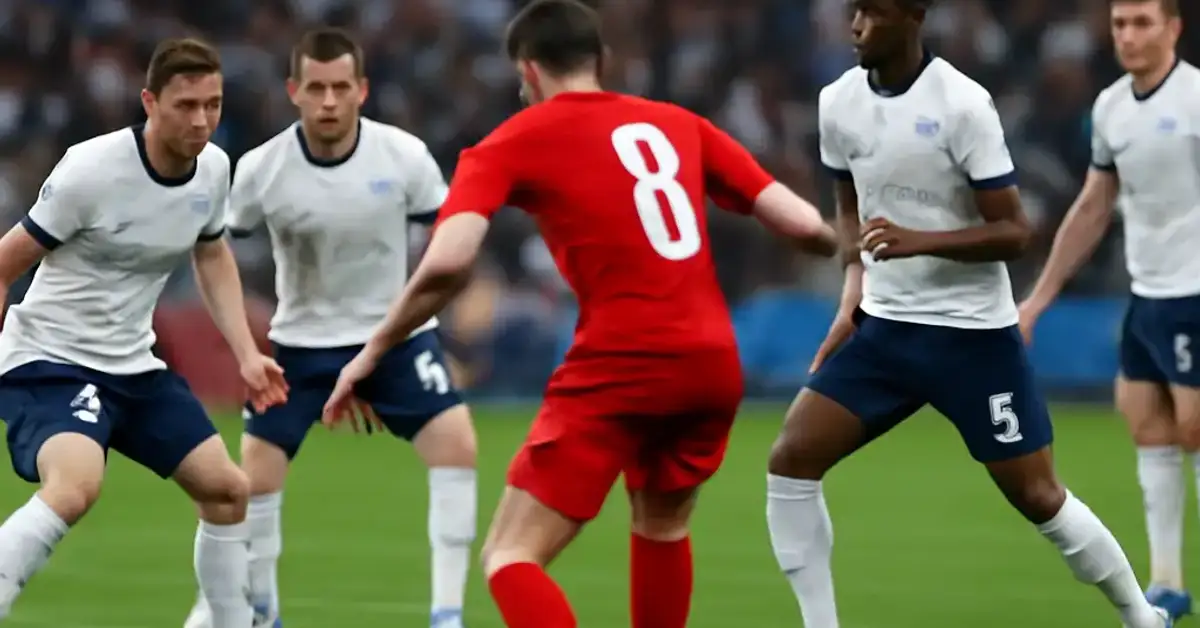
Understanding the Tactical Evolution in Elite Football
Modern tournament football has undergone a profound tactical transformation in football over the last decade. Where once individual flair and direct play dominated, today’s competition demands synchronized team movements, multi-phase pressing, and constant positional awareness. This shift hasn’t happened overnight; it’s the result of data analytics, coaching innovation, and the ever-increasing physical demands of the game. For a related guide, see Football Culture Evolution: 5 Trends Shaping the 2026 World Cup.
Coaches like Pep Guardiola, Jürgen Klopp, and Roberto De Zerbi have accelerated this change, proving that systems can be as decisive as star players. For fans and analysts alike, understanding these tactical layers is key to appreciating modern tournament football at its highest level.
The 5 Key Shifts Driving Tactical Evolution in Tournaments
Below are the five most impactful changes in the sport. Each represents a building block of the tactical transformation in football seen at World Cups, European Championships, and Champions League knockout stages.
1. Gegenpressing and Aggressive Counter-Pressing
Teams no longer wait to defend. The tactical evolution has made counter-pressing—or gegenpressing—a core strategy. Liverpool under Klopp and the current German national side exemplify this. By winning the ball back within seconds of losing it, teams prevent counter-attacks and create high-quality scoring chances. In tournament football, where games are tight, a well-executed press can decide a tie. For a related guide, see Argentina vs Brazil vs France vs Germany: Which Giant Impressed Most?.
2. Positional Play and Fluid Structures
Popularized by Guardiola, positional play divides the pitch into zones. Players occupy specific areas, creating numerical superiority and predictable passing lanes. This modern tournament football approach relies on intelligence and timing, not just speed. The tactical transformation in football here is subtle: systems now adapt in real time, with full-backs inverting and wingers drifting centrally.
3. Defensive Compactness and Mid-Block Structures
While pressing is popular, many successful tournament teams prioritize defensive solidity. The mid-block—defending between the halfway line and the box—has become a staple. France’s 2018 World Cup run is a prime example. The tactical evolution here is nuance: teams now compress space horizontally and vertically, forcing opponents into wide, low-percentage positions.
4. Build-Up from the Back and the Goalkeeper as an Outfield Player
Modern tournament football demands that goalkeepers are comfortable under pressure. The old safety-first clearance is gone; keepers now participate in build-up play, often as a third centre-back. This tactical transformation in football exposes teams that cannot press effectively, as seen in many tournament upsets where a strong press forced errors from ball-playing keepers.
5. In-Game Adaptation and Tactical Flexibility
The best modern tournament sides do not stick to one formation. They switch between a 4-3-3, a 3-4-3, and even a 4-4-2 mid-game. This tactical evolution requires multi-positional players and deep tactical understanding. Italy’s Euro 2020 campaign showed how a team can defend with five, attack with six, and control transitions with seamless shifts.
Modern Tournament Examples of Tactical Transformation in Football
To understand the tactical evolution, look at how the 2022 FIFA World Cup played out. Argentina and France both demonstrated fluid attacking patterns and structured pressing, but also revealed vulnerabilities against well-drilled mid-blocks. Similarly, the UEFA Champions League has become a laboratory for tactical innovation, where teams spend months fine-tuning phase-of-play patterns.
Another example is the rise of smaller nations in major tournaments. Teams like Croatia, Morocco, and Denmark have shown that tactical discipline can compensate for a lack of individual star power. This is the ultimate proof of the tactical transformation in football: systems can level the playing field in a way that raw talent alone cannot.
Impact on Game Outcomes and What It Means for Teams
The tactical evolution has made modern tournament football more complex to analyze but more rewarding to watch. Games are no longer decided solely by set pieces or direct counters; they are decided by which team executes its plan in the defining moments of a match. The tactical transformation in football has increased the importance of the coaching staff and the depth of the squad.
For teams looking to compete at the highest level, investing in a clear tactical identity is non-negotiable. The days of relying on a single star player to carry a team through a tournament are fading. Modern tournament football belongs to the best-organized, most adaptable unit—not the most talented individual.
Useful Resources
For a deeper dive into the tactical evolution, consider exploring these external analyses:
- The Guardian Football Tactics Blog – Offers match-by-match breakdowns of pressing structures and positional play.
- UEFA Champions League Official Tactical Analysis – Provides official data and coaching insights from top-level tournament football.
Frequently Asked Questions About Tactical Evolution
What is tactical evolution in football?
It refers to the ongoing changes in how teams approach strategy, formations, pressing, and positional play to gain a competitive edge in matches.
How has modern tournament football changed?
Modern tournament football now emphasizes collective systems, data-driven decisions, and in-game adaptability over individual star power.
What is the most important tactical shift in modern football?
Gegenpressing and structured positional play are widely considered the two most impactful shifts in modern tournament football.
How does pressing work in modern tournaments?
Pressing is now coordinated in phases—first line, second line, and cover—to force turnovers in specific zones of the pitch.
What is positional play?
Positional play is a system where players occupy pre-defined zones to create passing triangles and numerical advantages in build-up play.
Why are goalkeepers more involved in build-up?
Modern tactical evolution requires goalkeepers to act as sweepers and first attackers, allowing teams to bypass the first line of pressure.
Which tournament best showcases tactical football?
The UEFA Champions League and the FIFA World Cup are the prime stages for tactical evolution, given the variety of styles and high stakes.
How do teams switch formations during a game?
Players are trained to recognize triggers—such as a goal kick or a turnover—and move into alternate positions without verbal commands.
Is tactical evolution only for top clubs?
No, mid-table and lower-league teams use simplified versions of these systems to maximize their strengths and cover weaknesses.
What is a mid-block?
A mid-block is a defensive strategy where the team defends in the middle third of the pitch, typically between the halfway line and the penalty area.
How has data analytics influenced tactical evolution ?
Data analytics helps coaches identify opposition patterns, optimal pressing triggers, and the most efficient passing networks for modern tournament football.
What role do full-backs play in modern systems?
Full-backs are often required to invert into midfield, provide width, or join the attack as auxiliary wingers, depending on the phase of play.
Why are counter-attacks less common now?
Better defensive organization and structured pressing have reduced counter-attack opportunities, forcing teams to build more patiently.
How do teams train for tactical flexibility?
Training includes small-sided games with situational triggers, video analysis of opponent shapes, and drills that mimic match scenarios.
What is the difference between four-man and three-man defense?
A four-man defense offers width coverage, while a three-man defense provides central solidity and allows wing-backs to push higher.
How has pressing evolved from 10 years ago?
Pressing is now more cerebral—players use triggers based on pass direction, not just proximity to the ball, making it harder to bypass.
Can a team win a tournament without a tactical plan?
It is nearly impossible in modern tournament football, as one-dimensional teams are easily scouted and neutralized over multiple matches.
What is the most used formation in tournaments today?
The 4-3-3 remains the most common base formation, but many teams adopt a 3-4-3 or 4-2-3-1 depending on opponent and phase of play.
Does tactical evolution favor defensive or attacking teams?
It can favor both, but modern tournament football increasingly rewards teams that can switch quickly between defensive and attacking transitions.
Where can I learn more about football tactics?
The best sources are tactical analysis books, coaching courses, and reputable football analytics websites with match breakdowns.