
Coaching Adjustments Key Takeaways
Elite programs track specific metrics—shot location, defensive mismatches, giveaways—and use that data to flip momentum.
- Game-winning coaching adjustments start with accurate first-half data, not gut feelings.
- Halftime is a decision window: tactical tweaks, personnel swaps, and motivational shifts each play a role.
- Elite coaches plan for the second half before the game begins, using pre-scouted trends to adjust on the fly.
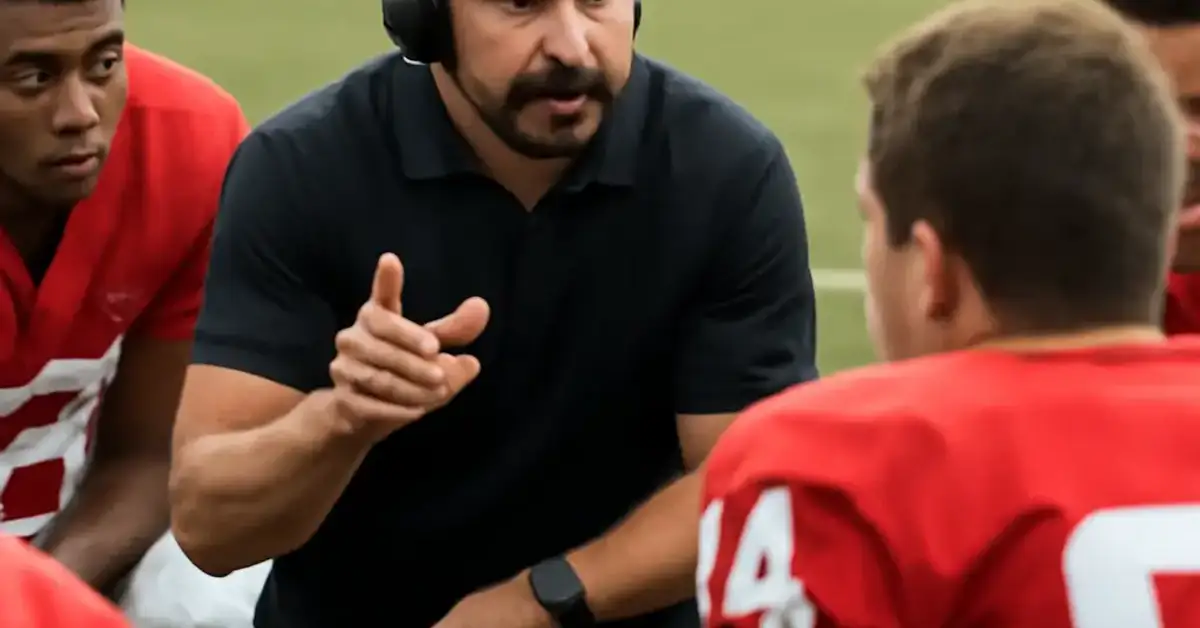
Why Coaching Adjustments Define Second-Half Performance
In sports, the first half is a diagnostic period. Coaches watch how opponents defend, which rotations create space, and where energy dips. The teams that consistently outperform after halftime share one trait: they execute coaching adjustments with precision, not panic.
Elite programs track specific metrics—shot location, defensive mismatches, giveaways—and use that data to flip momentum. Without these adjustments, even talented rosters can lose control in the second period.
The Science Behind Halftime Adjustments
Research published in the Journal of Sports Sciences highlights that optimal halftime duration (roughly 12-15 minutes) allows for physiological recovery without losing mental sharpness. But physical recovery means nothing without a tactical reset. Coaches who use this window to correct spacing, alter coverage, or adjust matchups see measurable lifts in second-half efficiency. For a related guide, see Why Tactical Flexibility Matters: 5 Proven Benefits for Big Games.
7 Game-Changing Coaching Adjustments for Second-Half Success
Whether you coach basketball, soccer, or American football, these seven coaching adjustments can help your team close stronger than it started.
1. Shift Defensive Personnel to Counter the Hot Hand
If an opponent’s star player dominates the first half, a simple defensive scheme change won’t cut it. Assign a fresh defender with better lateral quickness or more length. In the NBA, coaches often switch a quicker wing onto a scorching guard after halftime. The result: fewer clean looks and a disrupted offensive rhythm.
Example: During the 2022 NCAA tournament, Saint Peter’s head coach Shaheen Holloway shifted his defense to double-team Kentucky’s Oscar Tshiebwe after halftime, forcing other Wildcats to beat them. The upset followed.
2. Adjust Offensive Tempo to Control Fatigue
Fatigue is the hidden decider in second halves. Coaches who slow the pace after halftime protect their starters’ legs while forcing opponents to defend longer possessions. Conversely, if your team has better stamina, increase the tempo to break the opponent’s will.
3. Change Formation or Alignment
Formation adjustments are most common in soccer. A manager might switch from a 4-3-3 to a 4-4-2 to add a second striker against a tiring defense. In football, shifting from a single-back set to a spread formation can create mismatches in coverage. The element of surprise alone can swing momentum.
4. Target Mismatches with Specific Matchups
The first half reveals which defenders struggle in space or off the ball. Smart coaching adjustments involve isolating those weaknesses: putting your fastest player into pick-and-rolls, or forcing a slow-footed defender to guard the perimeter. This strategy works across sports—basketball, soccer, and even field hockey.
5. Rotate Fresh Legs Early in the Second Half
Waiting until the fourth quarter or final 15 minutes to make substitutions wastes momentum. Bring in energy pieces at the start of the second half. Fresh players apply pressure on tired opponents, creating turnovers and fast-break opportunities. In basketball, teams that sub in a defensive stopper after halftime often produce a run that flips the scoreboard. For a related guide, see 7 Factors That Make Certain Teams More Dangerous in Extra Time.
6. Simplify the Playbook to Reduce Mental Errors
First-half mistakes often stem from overcomplication. Coaches who strip the second-half game plan to two or three core actions see fewer turnovers and better execution. This approach works especially well in youth and high school sports where cognitive fatigue spikes after the break.
7. Revisit Set Plays on Special Teams
In football, special teams can be a second-half swing factor. Coaches who install a trick play—a fake punt or reverse kick return—during the halftime meeting can catch an opponent sleeping. The same logic applies in soccer: a well-rehearsed corner-kick variation can produce the winning goal.
Data-Driven Halftime Adjustments in Action
Analytics have reshaped how coaches approach the break. Teams now track first-half shooting percentages by zone, assist-to-turnover ratios, and opponent scoring runs. That data feeds directly into coaching adjustments.
| Metric | First-Half Value | Halftime Adjustment | Second-Half Result |
|---|---|---|---|
| Opponent 3-point % | 45% | Close out faster, switch on screens | 28% allowed |
| Turnovers per quarter | 5 | Reduce dribble, use extra pass | 2 turnovers |
| Points in paint allowed | 24 | Zone defense, weaker-side help | 12 points |
The Role of Motivational vs. Tactical Adjustments
Some coaches lean on fiery speeches at halftime; others stay clinical. Research from the Harvard Business Review notes that emotional activation works best when a team is trailing and needs belief, while tactical clarity matters more when execution has broken down. The most effective coaches mix both: a short motivational cue, followed by three clear tactical coaching adjustments.
Common Mistakes in Second-Half Coaching Adjustments
Even experienced leaders fall into traps. Here are the three most frequent errors:
- Overcoaching: Changing too many things at halftime confuses players. Stick to two or three adjustments.
- Ignoring Substitutes: Keeping tired starters on the floor leads to defensive breakdowns and missed shots.
- Repeating a Failed Strategy: If a game plan didn’t work in the first half, throwing it back unchanged guarantees the same result.
Best Practices for Coaches
To build a second-half advantage, integrate these habits into your pregame and halftime routines:
- Prepare a “second-half menu” of three tactical options before kickoff, based on scout data.
- Use the first five minutes of halftime for rest; reserve the last five for adjustments.
- Assign an assistant to track one specific adjustment metric (e.g., opponent offensive rebounds) to guide decisions.
- Practice simulated halftime adjustments during practice sessions so players feel comfortable adapting.
Useful Resources
For deeper insights into coaching adjustments and second-half strategy, explore these expert sources:
- National Federation of State High School Associations: Halftime Adjustments That Win Games — Practical advice for high school coaches.
- Soccer Specific: Halftime Adjustments Course — Tactical frameworks for soccer managers.
Frequently Asked Questions About Coaching Adjustments
What are coaching adjustments in sports?
Coaching adjustments refer to tactical, personnel, or motivational changes made between the first and second halves of a game to improve performance. They include formation tweaks, defensive schemes, lineup swaps, and tempo shifts.
Why are halftime adjustments important in basketball?
Halftime adjustments can flip a game by fixing defensive mismatches, reducing turnovers, or targeting a weak opponent defender. They allow coaches to counter the opponent’s first-half strategy before momentum builds further. For a related guide, see Tactical Flexibility: 5 Smart Reasons It Wins Big Games.
How do soccer coaches make tactical adjustments at halftime?
Soccer coaches change formations, shift player positions, alter pressing triggers, or assign man-marking duties. They also use substitutions to bring on fresh legs or specific skills (e.g., pace against a tired backline).
What is the most effective halftime adjustment in football?
Many coaches point to adjusting pass protection schemes and changing defensive coverages after halftime. A switch from man coverage to zone—or vice versa—often disrupts the quarterback’s pre-snap reads. Also, a new run concept can exploit a tired front seven.
Should coaches make multiple halftime adjustments?
Generally no—focus on two to three high-impact changes. Too many instructions overwhelm players and lead to poor execution during the crucial first five minutes of the second half.
Can a motivational speech replace tactical adjustments?
Motivation alone rarely fixes execution problems. Players need clear tactical direction to correct errors. A strong emotional appeal combined with a simple, actionable plan is most effective.
How does data influence halftime adjustments?
Real-time stats—like opponent shooting percentages, turnover rates, and player fatigue levels—help coaches decide which adjustments will produce the biggest swing. Many teams now use tablets or printed reports during the break.
What is the best way to communicate adjustments in the locker room?
Keep it concise. Write or draw the two or three changes on a whiteboard. Use simple language and ask one or two players to repeat the adjustments back to confirm understanding.
How do substitutions affect second-half performances?
Fresh substitutes increase energy, defensive intensity, and scoring opportunities. Coaches who time substitutions well—bringing in impact players early in the second half—often create scoring runs that decide the game.
What is a common mistake coaches make during halftime?
Trying to overhaul the entire game plan in 12 minutes. This leads to confusion. The most successful halftime talks focus on one or two critical areas and let players execute within the existing framework.
Do professional teams use different halftime approaches than youth teams?
Yes. Pro players handle more complex tactical concepts, while youth teams benefit from simpler instructions and more emotional reinforcement. Both levels profit from rest and hydration before any tactical talk.
How can coaches prepare halftime adjustments before the game?
Scouting reports should include contingency plans. Coaches can decide: “If their star scores 15 in the first half, we switch to a box-and-one.” Pre-planning removes panic during the break.
What role does the assistant coach play in halftime adjustments?
Assistants often track first-half stats, suggest specific adjustments, and help deliver messages to position groups. A split-second communication chain—head coach to assistants to players—maximizes the limited halftime window.
How do you adjust a game plan when trailing at halftime?
Identify the opponent’s biggest weakness from the first half and attack it relentlessly. Also increase defensive intensity—press or trap—to force turnovers and shorten the game.
What is the best halftime adjustment for a team that leads?
A conservative adjustment: focus on limiting mistakes, controlling the clock, and avoiding unnecessary risks. Protect the lead by reinforcing defensive fundamentals and smart shot selection.
How long should a halftime talk last?
Most experts recommend 8-10 minutes total. Spend the first few minutes on water and rest, then 4-5 minutes on tactical adjustments, and the last minute on a unifying message. Players need quiet time to mentally recover.
Can a coach adjust too early in the second half?
Yes—overreacting in the first few minutes can disrupt rhythm. Give the halftime plan a chance to work for at least 5 minutes before calling a timeout or making further changes.
What are some examples of famous halftime adjustments?
In Super Bowl LI, the New England Patriots switched to a no-huddle attack after halftime against the Falcons, sparking the biggest comeback in Super Bowl history. In soccer, Liverpool’s tactical shift at halftime of the 2005 Champions League final turned a 3-0 deficit into a 3-3 draw and eventual win.
How do you measure the success of a coaching adjustment?
Compare second-half metrics to first-half metrics: points allowed, shooting percentage, turnovers, and time of possession. If the adjustment corrects a first-half weakness without creating new problems, it succeeded.
What should a coach do if halftime adjustments fail?
Call an early timeout to reset. Simplify further. Sometimes going back to a basic set—like a man-to-man defense or a pick-and-roll offense—can stabilize the team long enough to regroup for the final minutes.