
defensive structures becoming harder to break down Key Takeaways
Let’s explore the seven most influential factors that explain why modern defense strategies are so resilient.
- Defensive structures becoming harder to break down is driven by improved coaching, data analysis, and physical preparation.
- Modern defenses shift seamlessly between low blocks, mid-blocks, and high pressing, making them unpredictable.
- Breaking through requires patient possession, clever movement, and exploiting small spaces — not just individual brilliance.
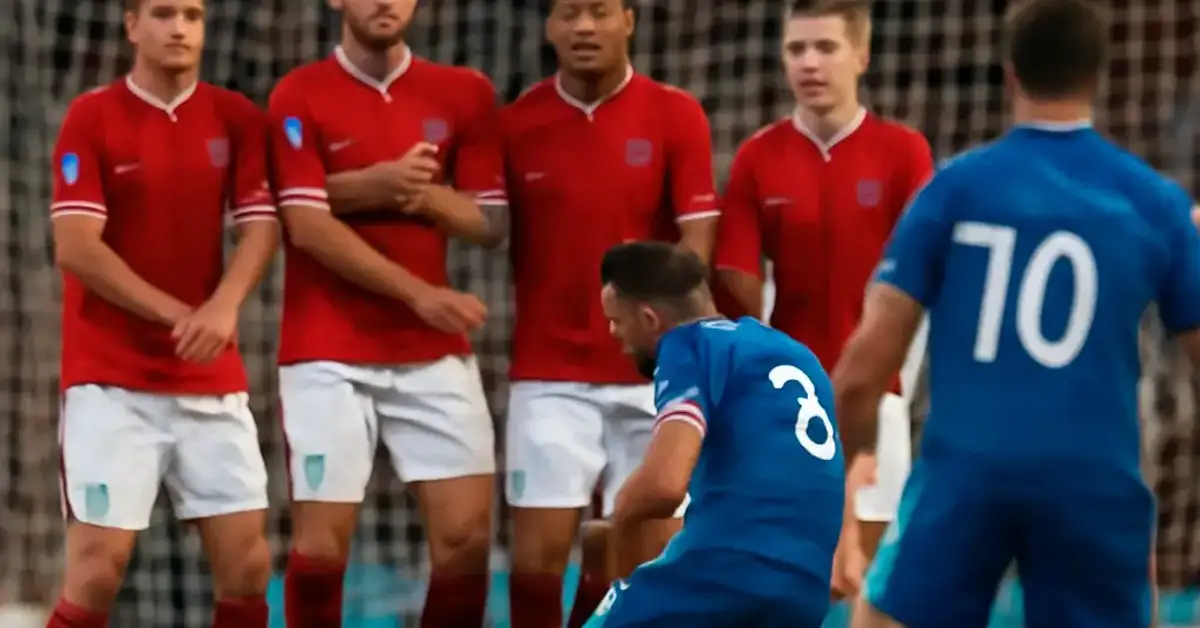
The Evolution of Defensive Structures Becoming Harder to Break Down
Over the past decade, football tactics have undergone a quiet revolution. The days when a single creative player could dribble past three defenders are fading. Today, teams defend as a unit, with every player understanding his role in a coordinated system. This shift makes defensive structures becoming harder to break down a defining theme of the modern game. Managers like Pep Guardiola, Diego Simeone, and Jürgen Klopp have all contributed to this evolution, albeit from different tactical philosophies. For a related guide, see Defensive Structures in Football: 5 Proven Ways They Shape Results.
7 Key Factors Behind Harder to Break Down Defenses
Let’s explore the seven most influential factors that explain why modern defense strategies are so resilient. Each factor represents a distinct tactical or physical innovation.
1. Compact Zonal Blocking
Teams now defend in narrow, compressed shapes. The distance between the defensive line and midfield is often less than 25 meters, leaving attackers little room to run into. This compactness forces opponents sideways or backward, rarely forward. It is the core reason why defensive structures becoming harder to break down in 2025.
2. Coordinated Pressing Triggers
Instead of chasing the ball aimlessly, modern teams press using defined triggers — a bad touch, a backward pass, or a specific body position. This coordinated effort traps the opposition and limits passing angles. When executed well, it creates turnovers high up the pitch, making the defense look even more formidable.
3. Fluidity and Positional Rotation
Traditional back fours are now hybrids. Full-backs invert to become midfielders, centre-backs split wide, and defensive midfielders drop between centre-backs. This fluidity confuses attackers and scouting reports alike. The unpredictability contributes directly to harder to break down defenses because the shape changes constantly during play.
4. Advanced Data Analytics
Every opponent is studied in detail. Analysts track passing networks, pressing efficiency, and dangerous zones. Coaches then design defensive drills that neutralize those patterns. Data-driven game plans mean teams no longer rely solely on instinct; they prepare for specific threats, making defensive structures becoming harder to break down on a tactical level.
5. Physical Conditioning and Recovery
Modern players are faster, stronger, and more resilient. High-intensity interval training and sports science allow defenders to sustain concentration and sprint capacity for 90 minutes. Fatigue used to cause defensive lapses; now, fitter players maintain shape longer. For a related guide, see 7 Proven Defensive Structures That Shape International Football Results.
6. Improved Communication and Leadership
Centre-backs and goalkeepers constantly direct teammates. Video sessions and on-field drills emphasize communication as a skill. This coordination ensures that even when an opponent finds space, a defender is quick to close it. A well-drilled defensive line moves as one, making it exceedingly difficult to break.
7. Hybrid Marking Systems
Pure man-marking or pure zonal marking are rare. Instead, teams use a mix — zonal for general coverage and switching to man-marking near the box or during set pieces. This hybrid approach confuses attackers because the rules seem to change depending on the phase of play.
Practical Implications for Coaches and Players
If you are a coach or player, the message is clear: you must evolve. Focus on building a cohesive defensive unit that communicates and adapts. Use video analysis to identify patterns in your own defense and in opponents’ attacks. Drills should simulate match conditions with pressing triggers and positional rotations.
How to Break Down a Compact Defense
It is not impossible. Patience, width, and quick combination play are effective. Drawing defenders out of position through passes between the lines can create gaps. Using an extra midfielder or a false nine can overload the central spaces. Direct attacks from crosses also work if the delivery is precise.
Useful Resources
For more insights on modern defensive tactics, check these resources:
Frequently Asked Questions About defensive structures becoming harder to break down
What does “ defensive structures becoming harder to break down” mean?
It refers to the increasing difficulty attackers face when trying to breach modern organized defenses due to improved tactical systems, coordination, and physical preparation.
Which football teams are best at defending compactly?
Atletico Madrid under Simeone, Manchester City under Guardiola, and Italy’s national team have been exemplary at maintaining compact defensive shapes.
How do data analytics help defenses?
Analytics identify opponents’ most dangerous passing lanes, preferred attacking zones, and pressing weaknesses, allowing coaches to design specific counter-strategies.
What is a low block defense?
A low block involves all outfield players retreating deep into their own half, forming a compact barrier near the penalty area to discourage through balls and shots.
Can a single player break down a modern defense?
Rarely. Even world-class dribblers like Messi or Mbappé need supporting runs and quick passes to unsettle well-drilled defensive units.
What is a pressing trigger?
A pressing trigger is a specific event — like a heavy touch or a backward pass — that signals the whole team to press aggressively to win the ball.
How do full-backs improve defensive structures ?
Inverted full-backs tuck into midfield, creating a numerical advantage in central areas and making it harder for opponents to play through the middle.
Are defensive structures harder to break down in 2025 than in 2010?
Yes, due to better coaching, data analytics, physical conditioning, and tactical flexibility, modern defenses are significantly more resilient.
What role does the goalkeeper play in modern defense?
Goalkeepers are now sweeper-keepers who read danger, organize the line, and start attacks — their positioning and communication are vital to the defensive shape.
How can a coach train a more compact defense?
Use small-sided games with limited space, emphasize shifting as a unit, and practice recovering quickly after losing possession.
What is the weakness of a very compact defense?
Opponents can exploit the wings, overload the box with crosses, or use long-range shots if defenders refuse to step out.
Do elite attackers train specifically to break down defenses?
Yes, they practice combination play, one-touch finishing, and movement off the ball to find gaps between and behind defenders.
What is a mid-block?
A mid-block means defending in the middle third of the pitch, aiming to intercept passes before they reach dangerous areas while still allowing some space.
How has VAR affected defensive structures ?
VAR has made defenders more cautious about fouls in the box, but it has also encouraged teams to defend deeper to avoid giving away clear chances.
Is pressing always effective against defensive structures ?
No, if the opponent is composed on the ball and plays through the press quickly, pressing can leave gaps. Teams now mix pressing with containment.
What is the best formation to break down a compact defense?
Formations with three forwards and two attacking midfielders — like 4-2-3-1 or 3-4-3 — provide width and central overloads that can stretch the block.
Do set pieces still work against modern defenses?
Yes, set pieces are one of the most reliable ways to score because defenders are often focused on the ball, and routines can exploit zonal marking gaps.
How do teams practice breaking down a low block?
They use drills with a “parked bus” — a large group of defenders in a small area — and practice quick passing, dribbling, and crossing against them.
Why do some teams still struggle to defend?
Individual errors, lack of fitness, poor communication, or tactical naivety can still undermine even the best defensive plans.
Will defensive structures become even harder to break down in the future?
Given the constant evolution of tactics, AI-driven analysis, and athletic development, the trend suggests defenses will keep improving, forcing attackers to innovate.