
FIFA World Cup 2026 host countries Key Takeaways
The 2026 FIFA World Cup will be co-hosted by the United States, Canada, and Mexico, marking the first time three nations jointly host the tournament.
- The FIFA World Cup 2026 host countries — USA, Canada, and Mexico — will share 16 venues, with Mexico City’s Estadio Azteca becoming the first stadium to host men’s World Cup matches in three separate editions.
- Key 2026 World Cup cities include Los Angeles, New York/New Jersey, Toronto, Mexico City, and Vancouver, each offering unique cultural and logistical highlights.
- Fans can expect a compact group stage format, with most teams staying in regional hubs before the knockout rounds scatter across the continent.
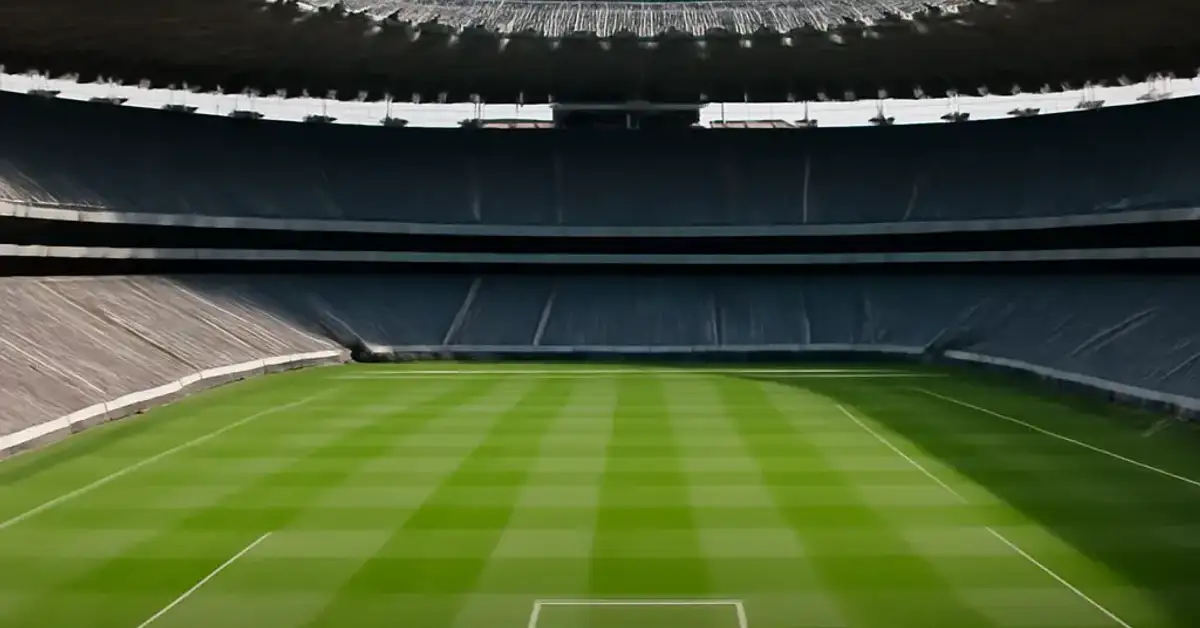
What You Need to Know About the FIFA World Cup 2026 Host Countries
The 2026 World Cup represents a historic shift in tournament logistics and fan experience. For the first time, three nations — the United States, Canada, and Mexico — will collaborate to host the world’s biggest sporting event. This trilateral partnership spreads matches across diverse time zones, climates, and cultures, offering fans an unparalleled opportunity to explore North America. The tournament will run from June 11 to July 19, 2026, with a total of 104 matches — up from the 64 in 2022 — accommodating the expanded 48-team field. For a related guide, see FIFA World Cup 2026 Qualifiers Table and Start Date: North Zone Guide.
United States: The Heart of the Tournament
The United States will host the majority of matches, including all knockout rounds from the quarterfinals onward. Eleven U.S. cities have been selected as 2026 World Cup cities, each bringing its own character and world-class infrastructure.
Eastern Region: New York/New Jersey, Philadelphia, Boston, Miami, Atlanta
MetLife Stadium in East Rutherford, New Jersey, will serve as the anchor for the New York metro area, hosting nine matches including the final. Atlanta’s Mercedes-Benz Stadium offers a retractable roof and massive capacity over 71,000. Hard Rock Stadium in Miami Gardens provides a tropical vibe, while Gillette Stadium in Foxborough (near Boston) and Lincoln Financial Field in Philadelphia round out the Eastern corridor.
Central Region: Dallas, Houston, Kansas City
AT and T Stadium in Arlington (Dallas) features the world’s largest retractable roof and will host nine matches. NRG Stadium in Houston brings covered comfort, and Arrowhead Stadium in Kansas City offers one of the loudest fan atmospheres in American sports.
Western Region: Los Angeles, San Francisco Bay Area, Seattle
SoFi Stadium in Inglewood (Los Angeles) is the crown jewel of modern venues, hosting nine matches including a semifinal. Levi’s Stadium in Santa Clara (San Francisco) and Lumen Field in Seattle give the West Coast a strong presence, with Lumen Field’s natural grass surface earning praise from international players.
Canada: The Northern Gateway
Canada will host matches in two cities, marking the country’s first-ever men’s World Cup matches on home soil. The Canadian venues emphasize natural grass and intimate settings, offering a different flavor from the massive U.S. domes.
Toronto: BMO Field
BMO Field, home to Toronto FC and the Canadian national team, has a capacity of approximately 30,000 for soccer matches. Located on the shores of Lake Ontario, the stadium will host group stage matches and a Round of 32 game. Toronto’s multicultural population ensures a vibrant atmosphere for visiting fans.
Vancouver: BC Place
BC Place Stadium, with its iconic retractable roof and capacity of 54,500, will host group stage matches and one knockout round game. The venue sits in downtown Vancouver, surrounded by mountains and ocean, making it one of the most scenic World Cup stadiums guide entries. Vancouver’s mild summer climate and outdoor lifestyle add to its appeal as a fan destination.
Mexico: The Repeat Host with Legendary Atmosphere
Mexico has a storied World Cup history, having hosted in 1970 and 1986. Three Mexican cities will welcome the tournament, bringing passionate crowds and iconic venues.
Mexico City: Estadio Azteca
Estadio Azteca is the only venue to host men’s World Cup matches in 1970, 1986, and now 2026. Its 87,523 capacity makes it one of the largest stadiums in the world. The high altitude (2,200 meters) adds a tactical dimension that visiting teams must prepare for. For a related guide, see FIFA World Cup 2026 North Qualifiers Table: Updated Standings and Best Team Rankings.
Guadalajara: Estadio Akron
Home to the Chivas Guadalajara club, Estadio Akron seats 49,850 and is known for its modern design and raucous fans. Guadalajara’s colonial architecture and tequila heritage make it a cultural highlight for travelers.
Monterrey: Estadio BBVA
Estadio BBVA, located in Guadalupe outside Monterrey, has a capacity of 53,500. The stadium features a sleek, modern aesthetic and sits at the foot of the Cerro de la Silla mountain, offering dramatic views. Monterrey’s industrial character and strong culinary scene attract adventurous visitors.
Tournament Schedule Overview: Key Dates and Format
The 2026 World Cup will unfold in three main phases:
- Group Stage (June 11 – July 2): 48 teams divided into 16 groups of three. Each team plays two matches, reducing the total group stage games to 72. The top two from each group advance to the knockout rounds.
- Knockout Rounds (July 3 – July 14): A traditional single-elimination bracket from Round of 32 to the quarterfinals. U.S. venues host all knockout matches from this point onward.
- Semifinals and Final (July 15 – July 19): The semifinals will be played at SoFi Stadium in Los Angeles and AT and T Stadium in Arlington, Texas. The final takes place at MetLife Stadium in New York/New Jersey on July 19.
For a full match schedule and ticket information, visit the official FIFA website: FIFA World Cup 2026 Official Site.
Travel and Viewing Tips for Fans
Planning a trip across three host countries requires careful logistics. Here are practical tips to make the most of your journey:
- Visa and Entry: U.S. and Canadian citizens can move between the two countries with a valid passport, but Mexican entry requires the same. Fans from other nations should verify visa requirements for each country they plan to visit.
- Accommodation: Book hotels near transit hubs early, especially in high-demand cities like New York, Los Angeles, and Mexico City. Consider staying in suburbs or smaller cities near venues to save money.
- Transportation: Amtrak and regional rail connect most U.S. host cities, while budget airlines like Spirit, Volaris, and Flair offer affordable cross-border flights. Mexico’s bus network (ADO, ETN) is reliable for intercity travel.
- Fan Experiences: Each host city will have a FIFA Fan Festival zone with giant screens, food vendors, and cultural activities. Check local tourism boards for event schedules.
- Health and Safety: Altitude in Mexico City and high summer heat in Dallas and Houston require hydration and sun protection. Check CDC travel advisories for each destination.
Useful Resources
For deeper planning and official updates, these resources are invaluable:
- FIFA World Cup 2026 Official Website — Matches, tickets, venues, and official announcements.
- U.S. State Department International Travel Page — Visa requirements and safety advisories for all three host countries.
Frequently Asked Questions About FIFA World Cup 2026 host countries
Which countries are hosting the 2026 World Cup?
The United States, Canada, and Mexico are co-hosting the 2026 FIFA World Cup, marking the first time three nations jointly host the tournament.
How many cities will host matches in 2026?
Sixteen cities across the three host countries will host matches: 11 in the United States, 2 in Canada, and 3 in Mexico.
Which stadium will host the 2026 World Cup final?
MetLife Stadium in East Rutherford, New Jersey (New York/New Jersey metro area) will host the final on July 19, 2026.
Will Mexico’s Estadio Azteca host a third World Cup final?
No, Estadio Azteca will host group stage matches, not the final. It becomes the first stadium to host men’s World Cup matches in three separate editions (1970, 1986, 2026).
How many matches will be played at the 2026 World Cup?
A total of 104 matches will be played, up from 64 in 2022, due to the expansion to 48 teams.
What is the group stage format for 2026?
48 teams are divided into 16 groups of three. Each team plays two group matches, and the top two from each group advance to the Round of 32.
Which U.S. cities are hosting World Cup matches?
The 11 U.S. host cities are New York/New Jersey (MetLife Stadium), Los Angeles (SoFi Stadium), Dallas (AT and T Stadium), Houston (NRG Stadium), Kansas City (Arrowhead Stadium), Atlanta (Mercedes-Benz Stadium), Miami (Hard Rock Stadium), San Francisco Bay Area (Levi’s Stadium), Boston (Gillette Stadium), Philadelphia (Lincoln Financial Field), and Seattle (Lumen Field).
What are the Canadian host cities for 2026?
Toronto (BMO Field) and Vancouver (BC Place) are the two Canadian host cities.
Which Mexican cities are hosting matches?
Mexico City (Estadio Azteca), Guadalajara (Estadio Akron), and Monterrey (Estadio BBVA) will host matches.
Will all knockout matches be played in the United States?
Yes, from the quarterfinals onward, all knockout matches will take place in the United States, including the semifinals and final.
Can I travel freely between host countries during the tournament?
U.S. and Canadian passport holders can move between those two countries easily, but a valid passport is required for Mexico. International fans need to check visa requirements for each country they plan to enter.
What is the capacity of SoFi Stadium?
SoFi Stadium in Inglewood, California, has a capacity of around 70,000 for soccer, expandable to 100,000 for special events.
Are there any new stadiums built specifically for 2026?
No new stadiums were built solely for the World Cup. All 16 venues are existing facilities that have been upgraded or renovated.
Which stadium has the largest capacity in 2026?
Estadio Azteca in Mexico City leads with approximately 87,523 seats.
How will the altitude affect matches in Mexico?
The high altitude (2,200 meters in Mexico City) can cause fatigue and reduce oxygen availability. Teams often arrive early to acclimate.
What time of year does the 2026 World Cup take place?
The tournament runs from June 11 to July 19, 2026, during the North American summer.
Will there be fan festivals in the host cities?
Yes, each host city will have an official FIFA Fan Festival with live broadcasts, entertainment, and food offerings, free or low-cost to attend.
Which host city is best for families?
Vancouver, Toronto, and Guadalajara are often recommended for families due to their safe neighborhoods, walkable downtowns, and family-friendly attractions.
How do I buy tickets for the 2026 World Cup?
Tickets will be sold exclusively through FIFA’s official ticketing portal at www.fifa.com. A random draw process for early phases is expected, with public sales opening in 2025.
What is the best way to travel between host cities?
Budget airlines (Spirit, Volaris, Flair) and trains (Amtrak in the U.S., VIA Rail in Canada) offer affordable intercity options. Mexico’s ADO buses are comfortable for long distances.