
Goalkeeping Standards Reaching Higher Competitive Levels Key Takeaways
Clubs now scout keepers for their distribution accuracy, decision-making under pressure, and ability to read the game, not just their height or catching ability.
- Goalkeeping standards reaching higher competitive levels start with position-specific training evolution, not generic drills.
- Technology like performance analytics and video review is no longer optional for elite goalkeeper development .
- Mental preparation and recovery protocols are equally important as technical skill for sustainable progression.
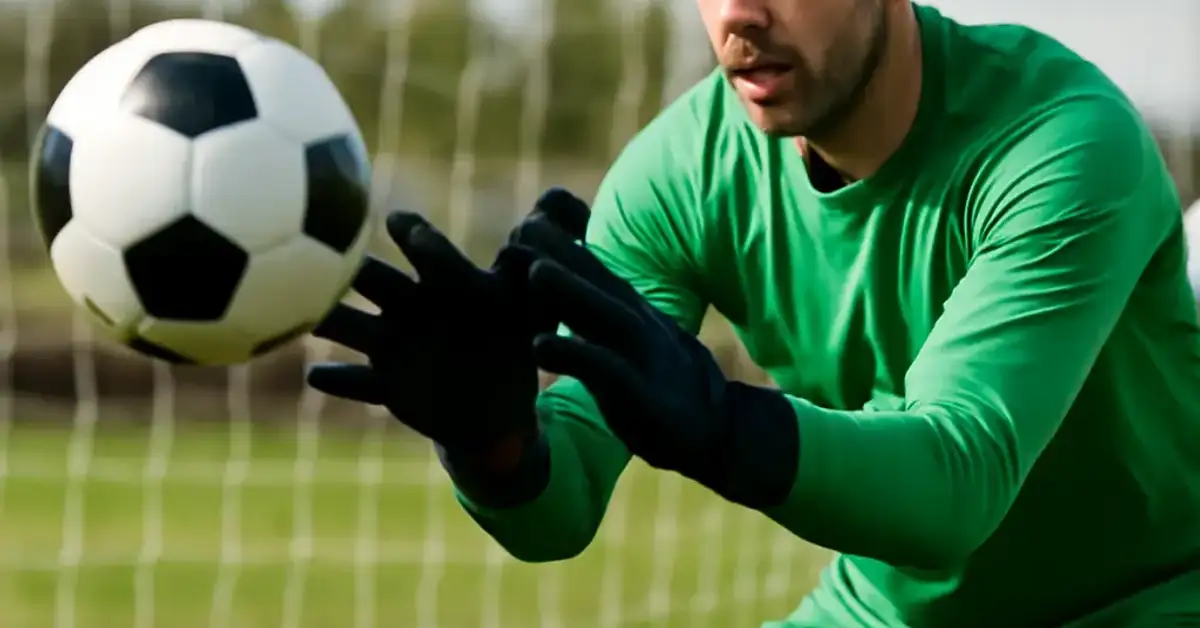
How Goalkeeping Standards Reaching Higher Competitive Levels Have Evolved
The role of the goalkeeper has transformed dramatically over the past two decades. Gone are the days when a keeper could thrive solely on shot-stopping ability. Today, goalkeeping standards reaching higher competitive levels demand that keepers act as sweeper-defenders, playmakers from the back, and leaders of the defensive unit. This evolution has been driven by tactical shifts in pressing, possession-based systems, and the increasing pace of the modern game. For a related guide, see Tactical Evolution: 5 Powerful Shifts Reshaping Modern Tournament Football.
Clubs now scout keepers for their distribution accuracy, decision-making under pressure, and ability to read the game, not just their height or catching ability. The rise of analytics has made it possible to measure these attributes, setting a new baseline for what constitues a top-level performer.
Five Pillars of Elite Goalkeeper Development
To meet and exceed these new demands, a structured framework around five core pillars is essential. These pillars represent the non-negotiable standards for any goalkeeper aiming for professional or high-level collegiate competition.
1. Technical Mastery: Beyond Basic Shot-Stopping
Technical skill remains the foundation, but the definition of ”technical” has expanded. Elite keepers must master footwork around the penalty area, one-on-one closing techniques, and high-ball handling under aerial pressure. Specific drills that replicate game-speed crossing scenarios, deflections, and close-range finishes are critical. The standard is no longer just making saves; it is about controlling the ball and resetting the defensive shape quickly.
2. Tactical Intelligence and Game Management
A goalkeeper must see the game three steps ahead. This involves organizing the defensive line, identifying opponent attacking patterns, and deciding when to sweep versus hold the line. Tactical reviews using video analysis are now a weekly staple in elite programs. Keepers who can anticipate play and communicate effectively raise the entire team’s defensive ceiling.
3. Physical Preparation and Position-Specific Conditioning
Modern goalkeeping requires explosive power, agility, and endurance. Training has moved away from generic running drills to position-specific circuits that mimic lateral diving, rapid direction changes, and explosive vertical jumps. Injury prevention through targeted strengthening of the shoulders, hips, and core is also a key standard for consistency across a long season.
4. Mental Resilience and Decision-Making Under Pressure
Mistakes in goal are magnified, and the ability to rebound after a concession is a hallmark of elite keepers. Sports psychology techniques, including visualization, breathing protocols, and routine-based focus, are now integral to training. Building a ”short memory” for errors while maintaining high concentration over 90+ minutes is a trainable skill.
5. Data-Driven Feedback and Continuous Adjustment
Performance analytics provide objective feedback on save percentages, distribution accuracy, and positioning. Keepers who use this data to adjust their training focus accelerate their development. For example, a keeper with a low cross-claim success rate can dedicate specific drills to high-ball situations, turning a weakness into a strength.
Common Mistakes That Stall Progression
Even talented keepers can plateau if they fall into common traps. Recognizing these early is vital for sustained growth.
- Neglecting footwork: Hand-centric training without equal focus on footwork leaves keepers vulnerable in distribution and sweeping situations.
- Ignoring video review: Not analyzing own performance and opponent tendencies limits tactical growth.
- Overtraining without recovery: High-volume diving without proper recovery leads to chronic injuries and burnout.
- Fear of failure: Playing too safely or avoiding decisive actions due to fear of mistakes stifles development.
Technology and Tools Shaping Modern Goalkeeping
The integration of technology has been a game-changer for elite goalkeeper development. Wearable sensors track dive velocity and distribution power. Video platforms allow frame-by-frame analysis of positioning during set pieces. Some academies now use virtual reality to simulate penalty scenarios and high-pressure match situations, helping keepers train decision-making without physical fatigue.
For a deeper dive into the science of athletic preparation, resources like the National Strength and Conditioning Association offer position-specific training guidelines. Additionally, Modern Goalkeeping provides practical drills and case studies on using analytics in training cycles.
Useful Resources
For those committed to raising their goalkeeping standards reaching higher competitive levels, here are two excellent external resources:
- NSCA: The Science of Goalkeeper Training – Evidence-based conditioning and strength protocols for position-specific development.
- Modern Goalkeeping Training Analytics – Practical articles and video breakdowns for integrating data into daily training.
Future Implications for Goalkeeping at Higher Competitive Levels
The trajectory for goalkeeping is clear: the gap between ”good” and ”elite” will continue to widen. As teams increasingly demand ball-playing keepers who can initiate attacks, the baseline for goalkeeping standards reaching higher competitive levels will include advanced distribution and positional awareness as primary requirements. Keepers who invest early in a holistic training approach—technical, tactical, physical, and mental—will be best positioned for scholarships, professional contracts, and long-term careers. The future belongs to those who adapt proactively, not reactively. For a related guide, see Fixture Congestion: 5 Proven Risks That Challenge Fitness Management.
Frequently Asked Questions About Goalkeeping Standards Reaching Higher Competitive Levels
What is the most important skill for modern goalkeepers?
While shot-stopping remains fundamental, distribution and decision-making under pressure have become equally critical at higher competitive levels.
How often should a goalkeeper train to reach elite levels?
Most elite programs suggest 5-6 sessions per week, including technical drills, tactical review, strength work, and recovery, with at least one full rest day.
What physical attributes are most important for a goalkeeper?
Explosive power, agility, hand-eye coordination, and body control are top priorities. Height helps but is not the sole determinant of success.
Can older goalkeepers improve their standards significantly?
Yes, with focused, intentional training and video analysis, keepers in their late teens and early twenties can make substantial leaps in performance.
How does mental training affect goalkeeper performance?
Mental resilience helps keepers recover from mistakes, maintain concentration, and make better decisions during high-pressure moments.
What role does video analysis play in goalkeeper development?
Video review reveals positioning errors, decision patterns, and opponent tendencies that are not visible during live play, enabling targeted improvement.
Are private goalkeeping coaches necessary for improvement?
Not strictly necessary, but a dedicated coach who provides objective feedback and sport-specific drills can accelerate progress significantly.
How important is footwork training for a goalkeeper?
Extremely important. Poor footwork limits agility, saving range, and distribution, making it a foundational skill.
What is the best way to handle high balls and crosses?
Practice timing, body positioning, and decision-making on when to catch, punch, or stay on the line. Repetition in game-like scenarios is key.
How do goalkeepers improve their distribution accuracy?
Through repetitive passing drills targeting specific zones, combined with strength training for core and legs to generate power.
What diet is best for goalkeeper performance?
A balanced diet rich in lean protein, complex carbs, healthy fats, and plenty of hydration supports energy, recovery, and focus.
How can a goalkeeper stand out to college or pro scouts?
Consistency, communication, composure, and demonstrated improvement in key stats like save percentage and distribution accuracy attract attention.
Is it too late to start goalkeeper training at age 15?
Not at all. Many elite keepers started later and caught up through dedicated, intelligent training and a strong work ethic.
What equipment is essential for serious goalkeeping?
Quality gloves with good grip, padded jerseys, shorts with hip protection, and proper soccer cleats are essential for safety and performance.
How do goalkeepers handle pressure during penalty kicks?
Mental training, routine repetition, and studying penalty takers’ tendencies through video analysis help keepers stay calm and prepared.
What is the role of a goalkeeper in building attacks?
Modern keepers act as the first attacker, using accurate distribution to start counterattacks or maintain possession under pressure.
How can goalkeepers avoid common injuries?
Proper warm-up, strength training for shoulders and hips, stretching, and adequate recovery between sessions reduce injury risk. For a related guide, see Injury Concerns: 7 Smart Strategies to Adapt Squad Preparation.
Why is communication important for a goalkeeper?
Keepers have a full view of the field and organize the defense. Clear communication prevents defensive breakdowns and builds team trust.
What are the key stats scouts look for?
Save percentage, clean sheets, distribution accuracy, crosses claimed, and number of decisive interventions are top metrics.
How does a goalkeeper maintain focus during quiet periods of a match?
Staying engaged through vocal communication, scanning the field, and rehearsing scenarios mentally helps keep concentration levels high.